Why Is My Heart Racing? Understanding Palpitations in Women 30+

Collaborating with your healthcare provider is essential for evaluating heart palpitations and ensuring
comprehensive care.
Palpitations — that uncomfortable sensation of your heart pounding, fluttering, or skipping — are incredibly common. They account for 16% of primary care visits and are the second leading reason for cardiology visits.
Let’s walk through what you need to know if you’re experiencing palpitations.
First Things First: Is It Serious?
The most concerning cause to rule out is a cardiac etiology. About 43% of palpitations are due to primary heart disease. Early identification is crucial.
Red flags that require immediate attention:
- Syncope (passing out) or near-syncope
- Chest pain
- Shortness of breath
- Drenching sweats (diaphoresis)
- Abnormal EKG findings or irregular heart rhythms
If you experience any of these symptoms, contact your healthcare provider or seek emergency care.
What Your Doctor Will Ask
Your provider will gather a detailed history:
- Family history — Any early cardiac deaths or known heart conditions?
- Personal history — Anxiety, panic attacks, thyroid disorders, or substance use?
- Timing — Do symptoms occur at rest, during exertion, at work, or while sleeping?
- Description — Does it feel like fluttering in the chest or neck, skipped beats, or a heavy pounding sensation?
Non-Cardiac Causes to Consider
Other factors that can trigger palpitations include:
- Anxiety or panic attacks
- Anemia (low iron levels)
- Thyroid dysfunction
- Medications (such as levothyroxine or beta blocker withdrawal)
- Substance use (caffeine, nicotine, cocaine)
It is also important to note that hormonal changes during perimenopause and menopause can contribute to palpitations. Fluctuating estrogen levels during these transitions can directly affect the cardiovascular system, leading to symptoms like heart palpitations, even in the absence of heart disease.
Physical Examination
The physical exam typically includes:
- Checking for signs of fluid overload, abnormal chest movements, or swelling
- Feeling the pulse to assess whether it is regular or irregular
- Listening to the heart for unusual sounds like murmurs or irregular rhythms
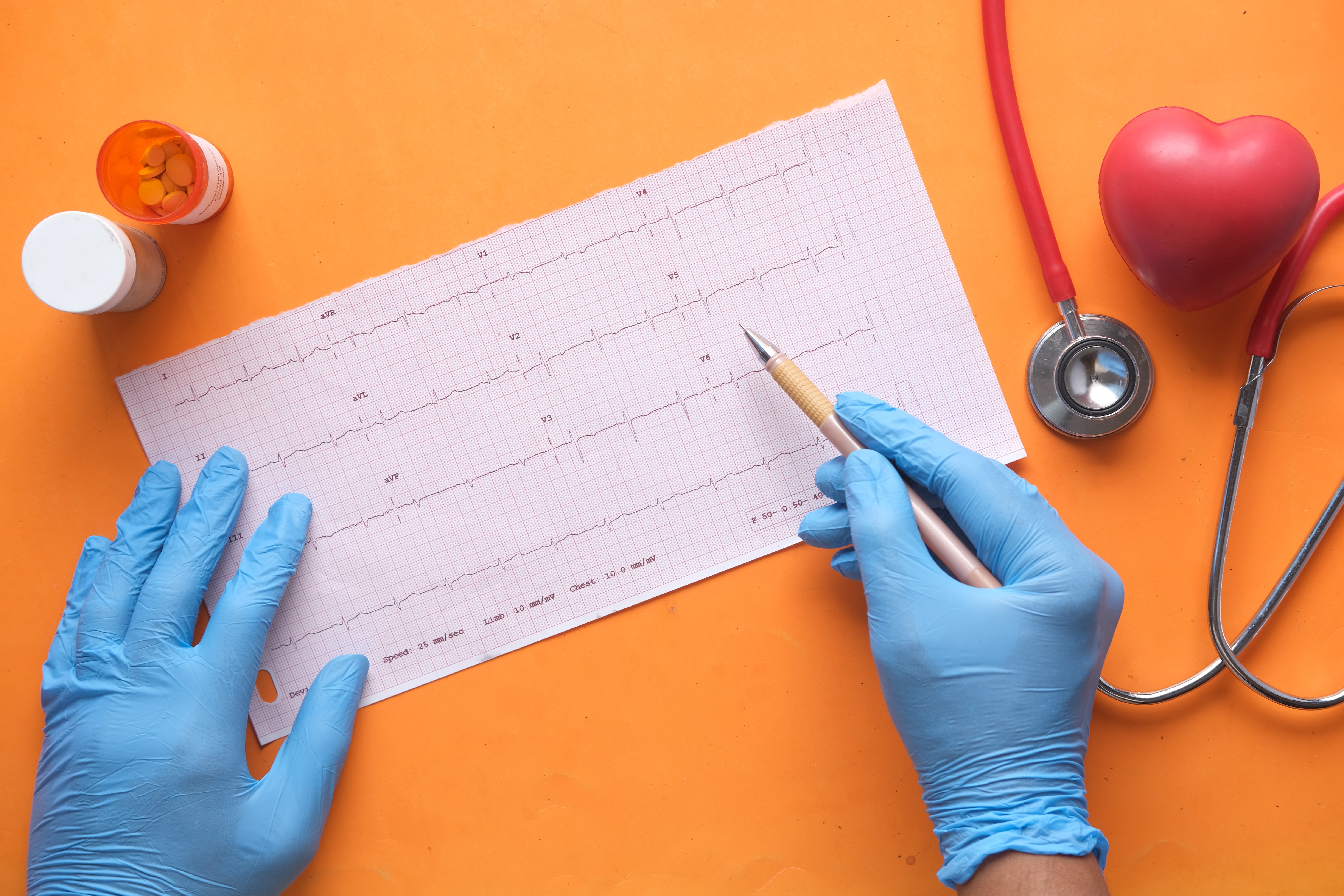
An EKG is often the first step in evaluating heart palpitations and irregular heart rhythms.
Diagnostic Testing
An initial EKG is essential. It looks for:
- Changes that might suggest heart strain or poor electrical activity
- Irregular rhythms such as atrial fibrillation or flutter
Additional evaluations might include:
- 24-hour Holter monitor to track heart rhythms over a day
- Echocardiogram to check for any structural problems with the heart
- Blood tests to check for anemia, thyroid issues, or electrolyte imbalances
When to See a Cardiologist
Understanding when to worry about heart palpitations can help ensure timely care and peace of mind. Referral to a cardiologist may be necessary if:
- There are changes on the EKG or Holter monitor
- Symptoms occur during physical exertion
- Specialized testing is needed (like a tilt table test, stress testing, or a loop monitor)
Summary
Palpitations are a common but important symptom that require thoughtful evaluation. Understanding the potential causes and working with your healthcare provider ensures you receive appropriate care, and peace of mind!
Hormonal shifts, such as those experienced during perimenopause and menopause, can also play a significant role.
If you are experiencing palpitations, make sure to schedule a timely evaluation with your healthcare provider.
